
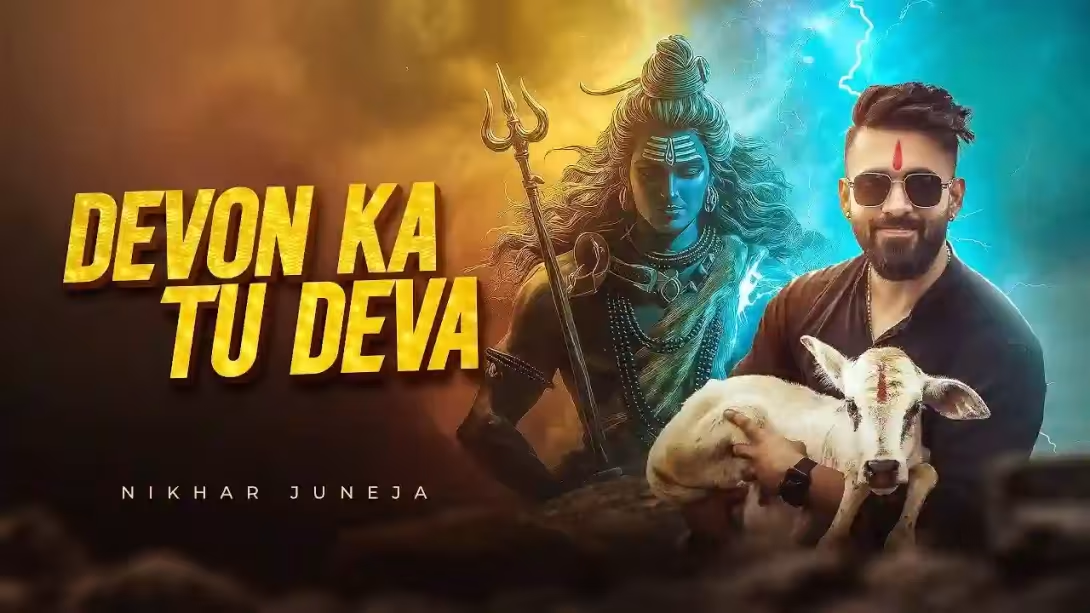
Devon Ka Tu Deva Song Lyrics - A majestic bhajan establishing Shiva as the supreme deity. Nikhar Juneja's vocals celebrate Shiva's universal power and protective grace.
Devon Ka Tu Deva Lyrics in English Letters (Romanized)
Vichaar Bhi Hai Tu
Vinaash Bhi Tu Hi
Ghor Aghor Ki Nisha
Prakaash Bhi Tu Hi
Tu Bhay Adharm Ka
Tu Raah Dharm Ki
Vilay Pralay Aalay Malay
Tu Saans Karm Ki
Dhamak Teri Pragaadh Hai
Vrihad Viraat Hai
Chamak Hai Chaandni Ki
Chandrama Lalaat Hai
Tu Mukti Ka Prakaar Hai
Asal Nikhaar Tu
Pashupati Tu
Bezubaanon Ki Zubaan Hai
Devon Ka Tu Deva
Jo Tu Chale To Dhadakti Dhara
Tere Ishaaron Pe Chalti Hawa
Teri Nazar Pe Jhuke Aasmaan
Devon Ka Tu Deva
Jo Tu Chale To Dhadakti Dhara
Tere Ishaaron Pe Chalti Hawa
Teri Nazar Pe Jhuke Aasmaan
Devon Ka Tu Deva
Gire Sab Charan Mein Jahaan Tu Khada
Teri Hi Dhun Pe Ye Jag Jhoomta
Aa Ja Na Aakar Ke Damru Baja
Pishaach Bhoot Pret Tere Saath Mein Chale
Dev Asur Yaksh Haath Baandh Ke Khade
Smarachchidam Purachchhind
Bhavachchhidam Makhachchhidam
Gajachchhidaandhakachchhidam
Tamantakachchhidam Bhaje
Pishaach Bhoot Pret Tere Saath Mein Chale
Dev Asur Yaksh Haath Baandh Ke Khade
Na Maut Ka Hai Bhay Use Na Kaal Ka Bharam
Rudra Mahaakaal Jiske Saath Hai Khade
Vo Kya Hi Hai Bhagat Sataye Bezubaan Ko
Jaanta Nahin Pashupati Eeshan Ko
Nandi Bail Naag Vasuki Ke Saath Vo
Nikhaar Vahi Bezubaanon Ki Zubaan Jo
Dhamak Teri Pragaadh Hai
Vrihad Viraat Hai
Chamak Hai Chaandni Ki
Chandrama Lalaat Hai
Tu Mukti Ka Prakaar Hai
Asal Nikhaar Tu
Pashupati Tu
Bezubaanon Ki Zubaan Hai
Devon Ka Tu Deva
Jo Tu Chale To Dhadakti Dhara
Tere Ishaaron Pe Chalti Hawa
Teri Nazar Pe Jhuke Aasmaan
Devon Ka Tu Deva
Gire Sab Charan Mein Jahaan Tu Khada
Teri Hi Dhun Pe Ye Jag Jhoomta
Aa Ja Na Aakar Ke Damru Baja
O Maaf Karna Shankar
Ek Baat Bolta Hoon
Haan Satya Ye Katu Hai
Magar Saaf Bolta Hoon
Agar Nazar Mein Teri Na Hai Bhed
Sab Samaan Hai
To Bhakt Pareshaan Hai
Shaitaan Kyon Mahaan Hai
Charam Ye Kaisa Kalyug Ka
Bhakti Bhi Vyaapaaran
Dharm Mein Raam Raam Hai
Karam Mein Inke Raavan
Duniya Kahe Ki Tera
Sabse Pyaara Bhakt Nandi
Tere Mandiron Ke Saamne
Khada Hai Banke Bandi
Kaisa Ye Raamraaj
Jo Nirdoshon Ke Sar Kate
Dharm Ke Rakshakon Ki
Daavaton Mein Yoon Jism Bante
Vo Kaisa Besharm Jo
Ek Maah Banta Paavan
Chithde Shav Ke Noche
Jaise Khatm Hua Saavan
Sab Paapgrast Hue Mast
Trast Hua Shankar
Har Bhrasht Hoga Nasht
Sabko Dhvast Kare Shankar
Chal Leke Veerbhadra
Saath Bhoot Pret Yaksh Ko
Sab Kaat Chhaant Phaant
Jaise Bhed Daala Daksh Ko
Dhamak Teri Pragaadh Hai
Vrihad Viraat Hai
Chamak Hai Chaandni Ki
Chandrama Lalaat Hai
Tu Mukti Ka Prakaar Hai
Asal Nikhaar Tu
Pashupati Tu
Bezubaanon Ki Zubaan Hai
Devon Ka Tu Deva
Devon Ka Tu Deva
Jo Tu Chale To Dhadakti Dhara
Tere Ishaaron Pe Chalti Hawa
Teri Nazar Pe Jhuke Aasmaan
Devon Ka Tu Deva
Gire Sab Charan Mein Jahaan Tu Khada
Teri Hi Dhun Pe Ye Jag Jhoomta
Aa Ja Na Aakar Ke Damru Baja…!
Written by: Nikhar Juneja
🔗 Share/शेयर करें:
Devon Ka Tu Deva Song Description
This song, "Devon Ka Tu Deva", is a powerful devotional hymn sung, written, and composed by Nikhar Juneja, and it is associated with Wagheshwari Mata Mandir. The lyrics depict the glory and omnipresence of Lord Shiva, where He is both thought and destruction, the source of both darkness and light, and the master of the paths of righteousness and unrighteousness. The song describes Shiva's grandeur as profound and immense, His glow is like moonlight, and He is the voice of liberation and the voiceless, highlighting His supreme power.
The song's main section, "Devon Ka Tu Deva", presents Shiva as the deity above all deities. It describes how the ground ignites with His step, the wind moves at His command, and the sky bows before His gaze. The song narrates how the world sways to the beat of His damru (drum), and it shows that demons, ghosts, gods, and asuras all stand with Him. It declares that for one who has Mahakal (Shiva) by their side, there is no fear of death or time. This section powerfully illustrates Shiva's universal authority and His protection of devotees.
Finally, the song raises a poignant question, asking Shiva why, if everyone is equal, devotees are troubled and the wicked prosper. It critiques the current age (Kalyug), where devotion has become transactional and there is a visible contradiction between religion and action. The song questions the suffering of the innocent and the reign of corruption. It ends with a fervent appeal to Shiva to arrive with His fierce forms like Veerbhadra and His ghostly ganas to annihilate all corrupt powers. This song is a unique blend of devotion and social commentary, expressing both Shiva's greatness and deep human concerns.
Audio / Video Link